









The Rise of Skyscrapers: Downtown Miami’s Tallest Towers Over Time
From the Freedom Tower to Florida’s first planned supertall, Downtown Miami’s skyline reflects nearly a century of growth and change.
 Aug 13, 2026 · 3 Minute Read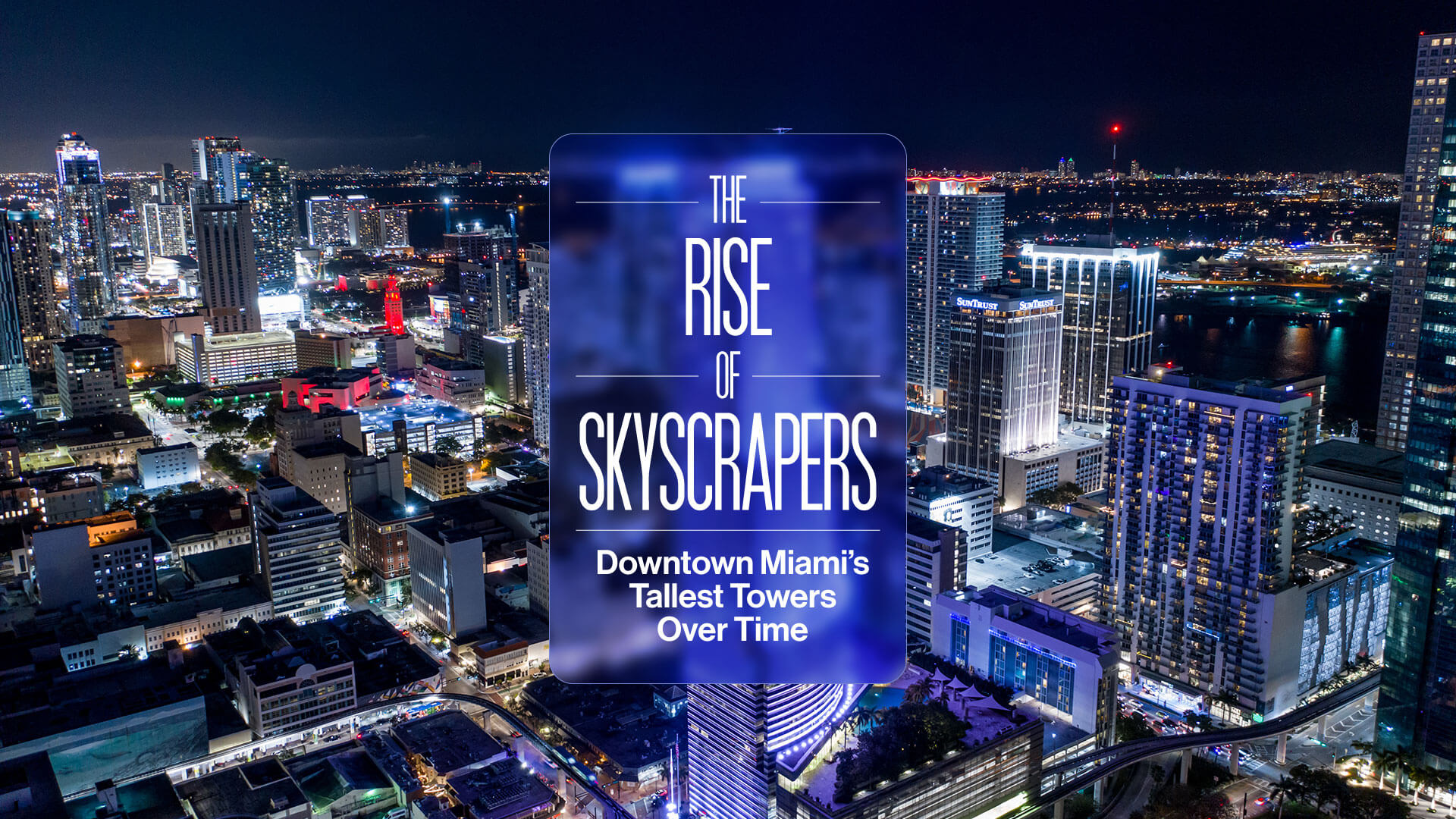
Miami’s skyline has changed dramatically over the last century. While Brickell is now known for its concentration of high-rises, Downtown Miami is where the city’s vertical growth first took shape.
From early landmarks like the Freedom Tower and Dade County Courthouse to today’s luxury residential towers, Downtown has continued to push Miami’s skyline higher. Now, with several major projects underway, the area is entering another period of major development.
The Early Years: 1920s to 1970s
Downtown Miami’s first major towers arrived during the Florida land boom of the 1920s, establishing the area as the city’s commercial center.
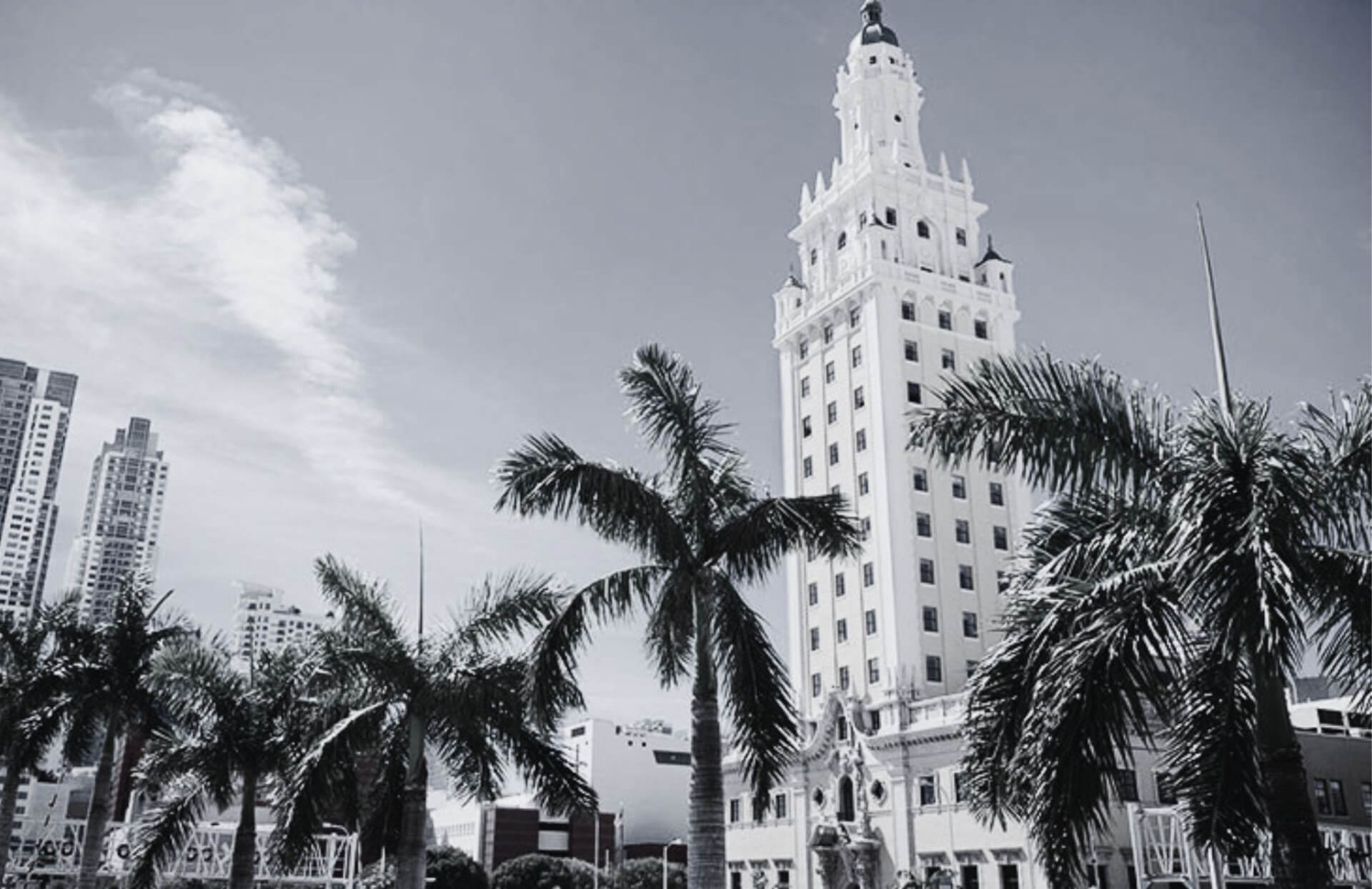
- Freedom Tower (1925): Rising 256 feet, the Freedom Tower was originally built as the headquarters of The Miami News. It later served as a processing and assistance center for Cuban refugees in the 1960s and remains one of Downtown Miami’s most recognizable historic landmarks.
- Dade County Courthouse (1928): At 360 feet, the courthouse surpassed the Freedom Tower and remained Florida’s tallest building for nearly four decades, from 1928 to 1967.
- One Biscayne Tower (1972): The 39-story, 492-foot office tower marked a new period of commercial development in Downtown Miami and became a major addition to the Biscayne Bay skyline.
The Business Boom: 1980s to 2000s
Downtown Miami’s skyline grew significantly during the 1980s as the city expanded as a banking and business center.
- Southeast Financial Center (1984): At 764 feet and 55 stories, the tower became Florida’s tallest building when it opened and held the title for 19 years. It remains the tallest dedicated office building in the state.
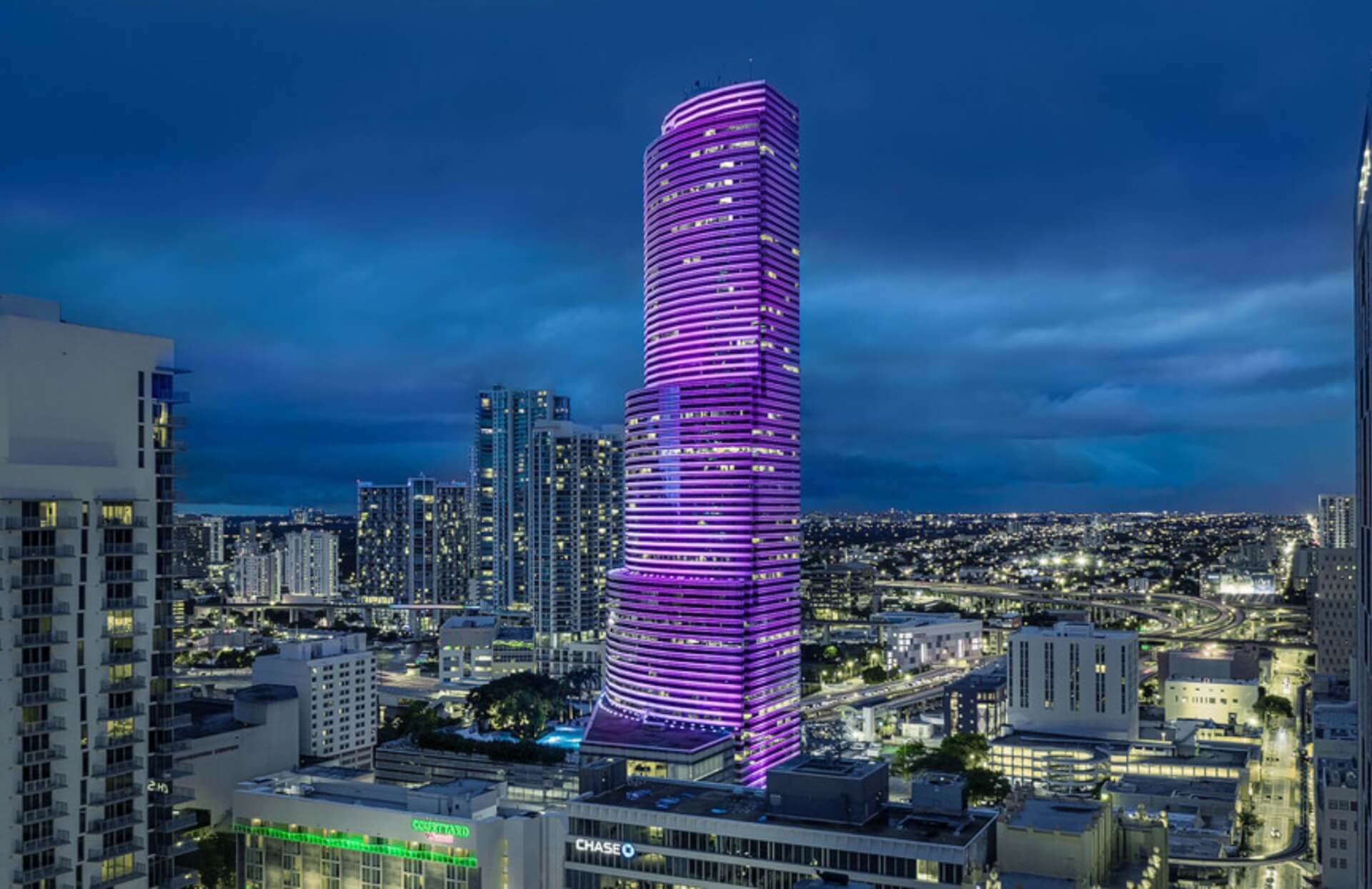
- Miami Tower (1986): Rising 625 feet across 47 stories, Miami Tower became one of the city’s most recognizable buildings, known for its changing exterior lighting and appearances in film and television.
The Residential Shift: 2000s to Today
As Downtown Miami evolved beyond its traditional business district, residential development began reshaping the waterfront and surrounding neighborhoods.
- Marquis Miami (2009): The 702-foot tower was part of a wave of high-rise residential development that brought more condo and apartment living to the Downtown waterfront.
- One Thousand Museum (2019): Designed by architect Zaha Hadid, the 699-foot residential tower is known for its curved structural exoskeleton and distinctive design along Biscayne Boulevard.
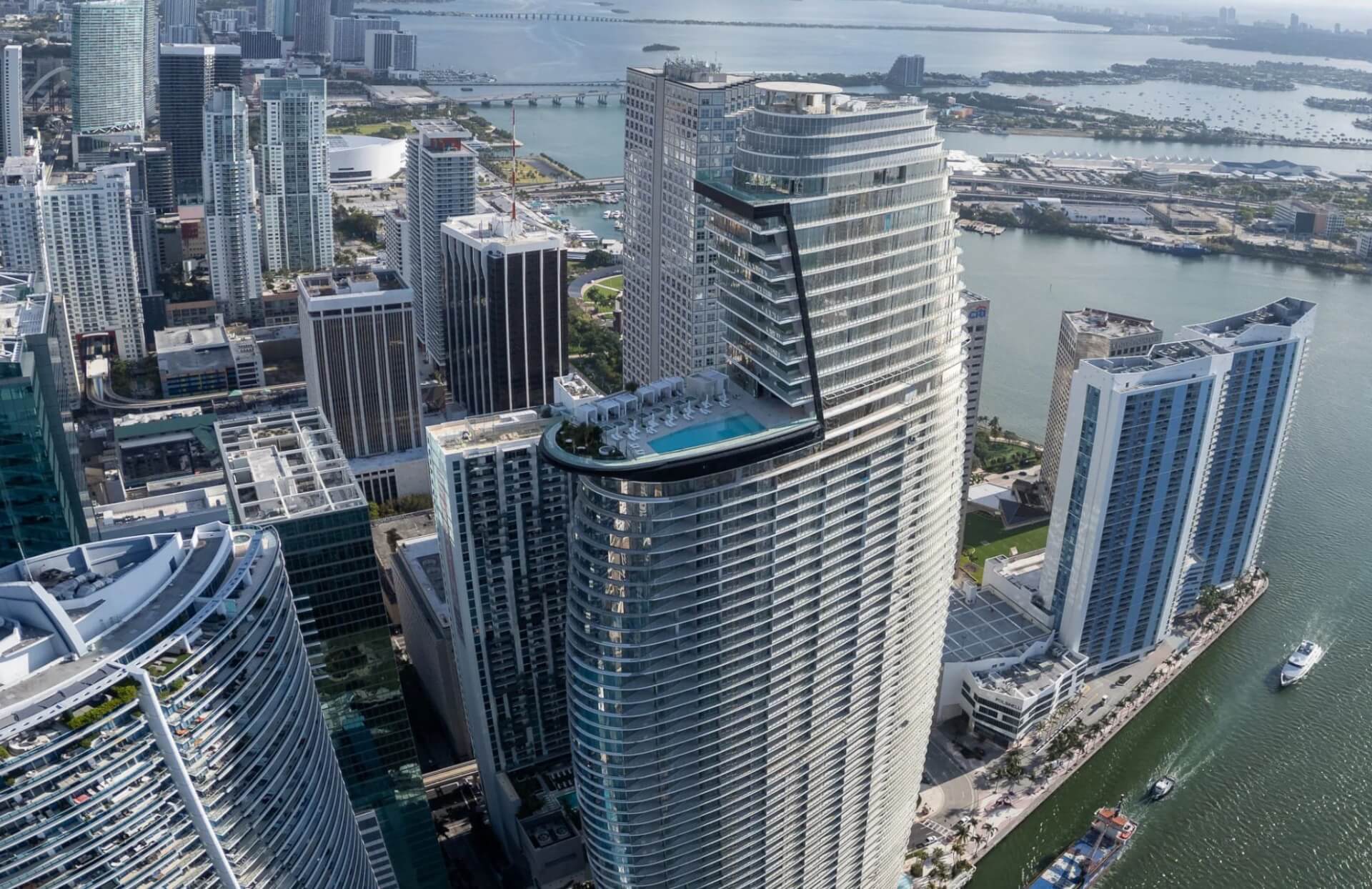
- Aston Martin Residences (2024): Located at the mouth of the Miami River, the 817-foot residential tower became one of the tallest buildings in Miami when it was completed.
Looking Ahead: Downtown Reaches 1,000 Feet
Downtown Miami’s next generation of development is set to push the skyline past a milestone the city has never reached before.
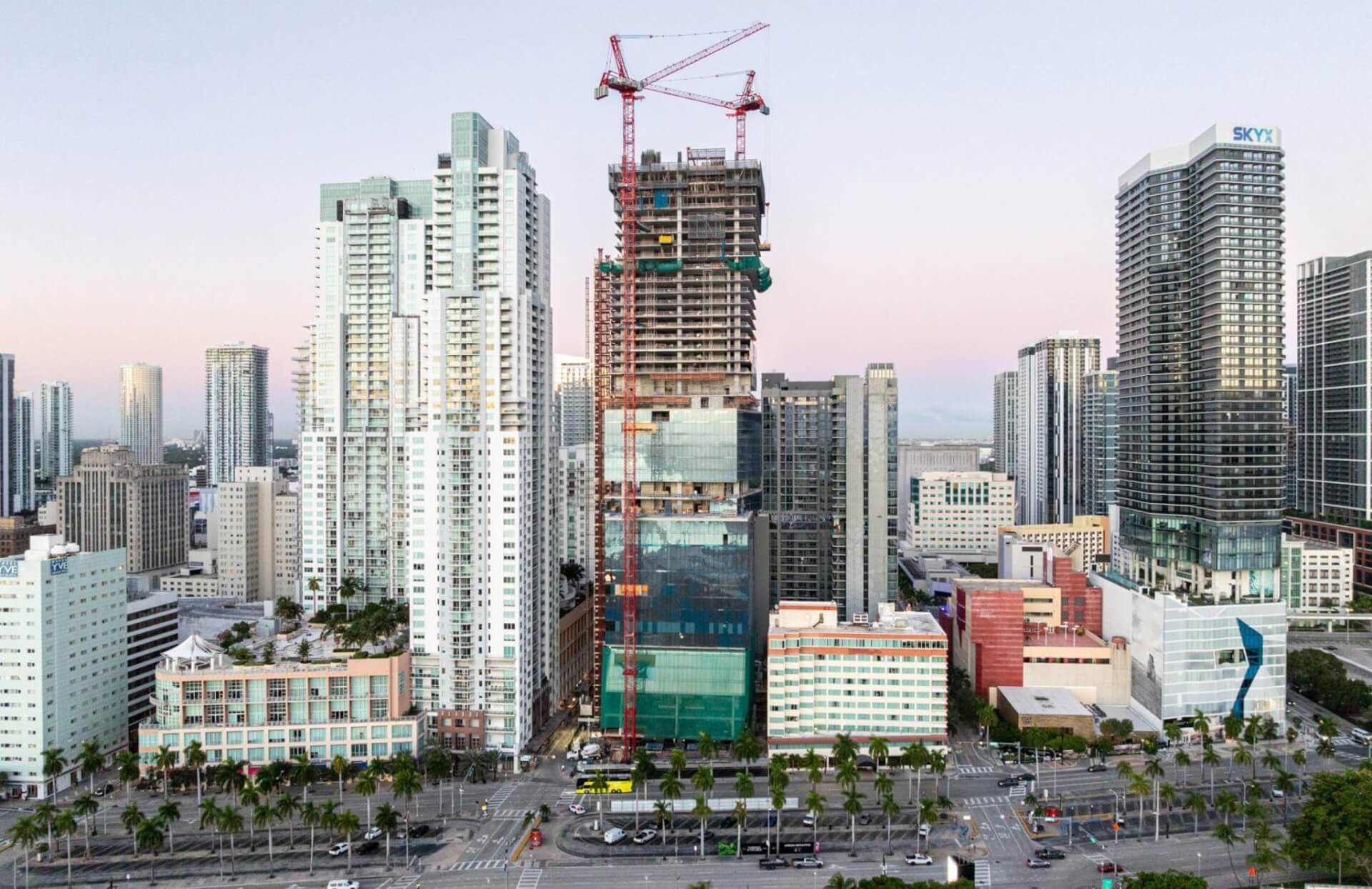
- The Waldorf Astoria Hotel & Residences Miami is planned to rise 1,049 feet and 100 stories above Biscayne Boulevard. Designed as a series of stacked glass cubes, the project is expected to become Florida’s first supertall skyscraper—a classification generally used for buildings at least 300 meters, or about 984 feet, tall.
Nearly a century after Downtown Miami’s first skyscrapers changed the city’s profile, its skyline is still growing. From the Freedom Tower to the upcoming Waldorf Astoria, each generation of development has added a new chapter to Downtown Miami’s architectural history.